EPDM has been the workhorse low-slope membrane on Roanoke's warehouse and manufacturing stock for decades, and a lot of that original rubber is still up there, aging past its expected service life. We install new EPDM systems and repair existing ones, with particular attention to the seam and flashing details that determine whether a rubber roof makes it to twenty-five years or fails at twelve.
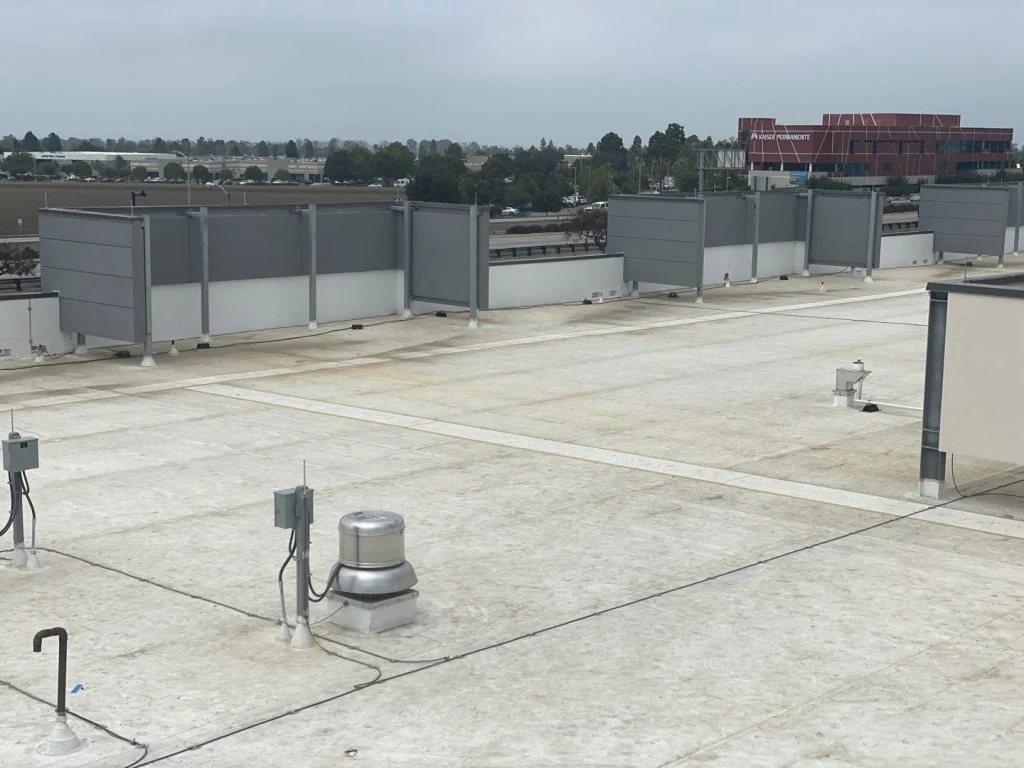
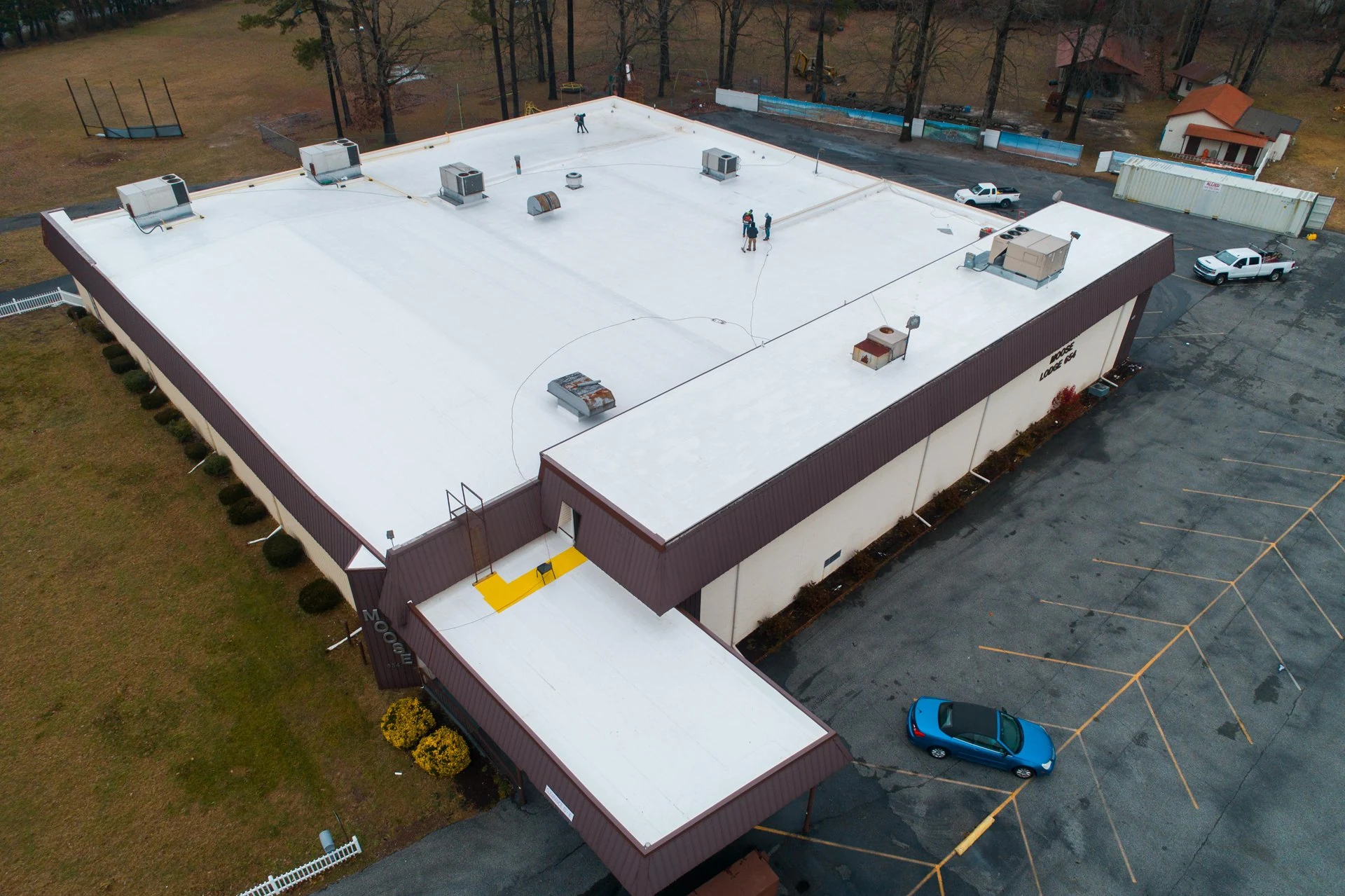
Ballasted and mechanically attached EPDM remain a strong option on large, simple warehouse and distribution roofs where upfront material cost and proven long-term performance matter more than reflectivity. A lot of the industrial buildings along the rail-adjacent corridors near the old Norfolk Southern shop complex, and newer distribution buildings out toward Botetourt County, carry roof geometries with few penetrations and large open fields, which is exactly the profile EPDM handles well.
Black EPDM absorbs more heat than TPO, which is a real consideration on office or retail buildings running tight HVAC budgets, but on an unconditioned or lightly conditioned warehouse the reflectivity difference matters less than the membrane's track record for puncture and hail resistance.
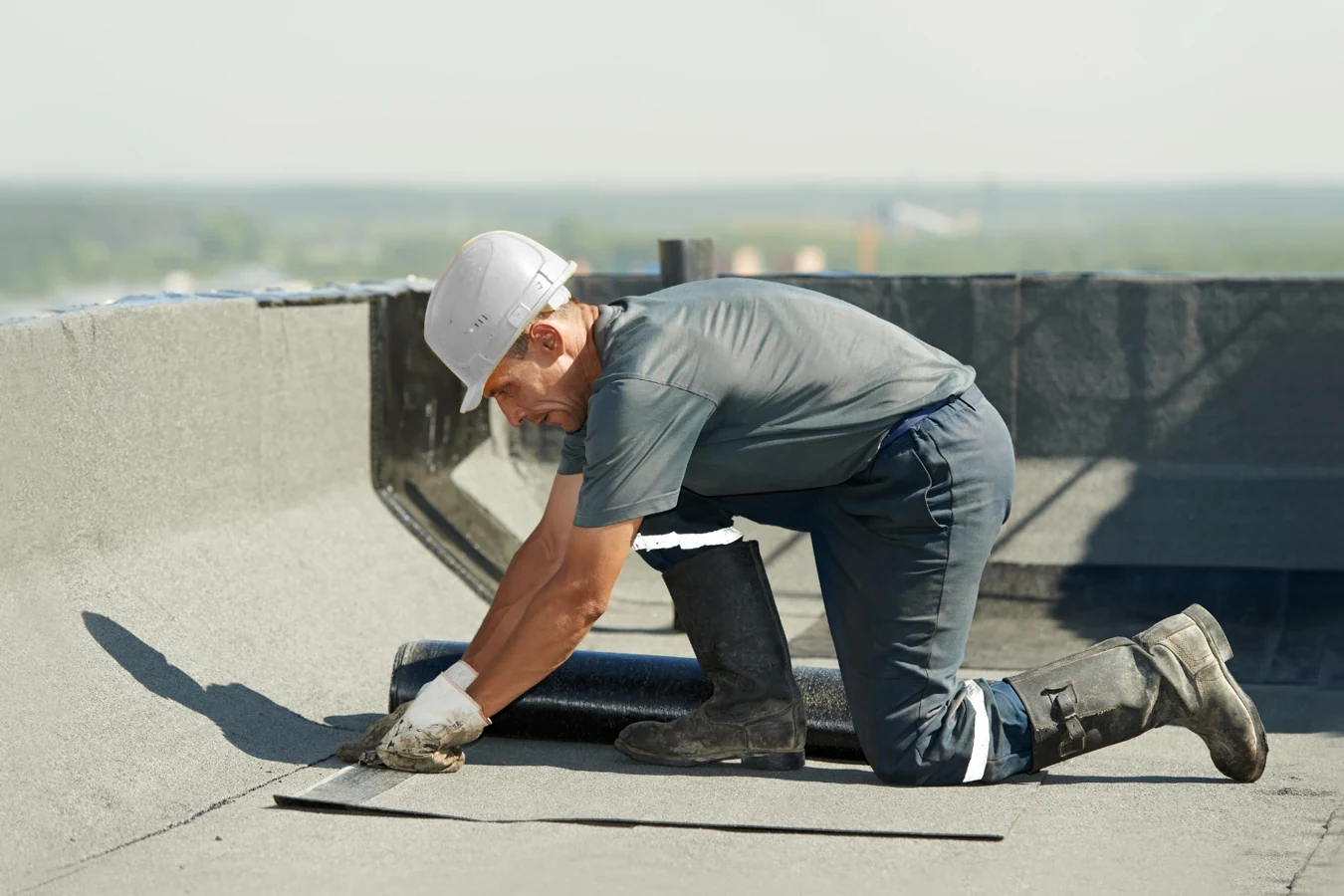
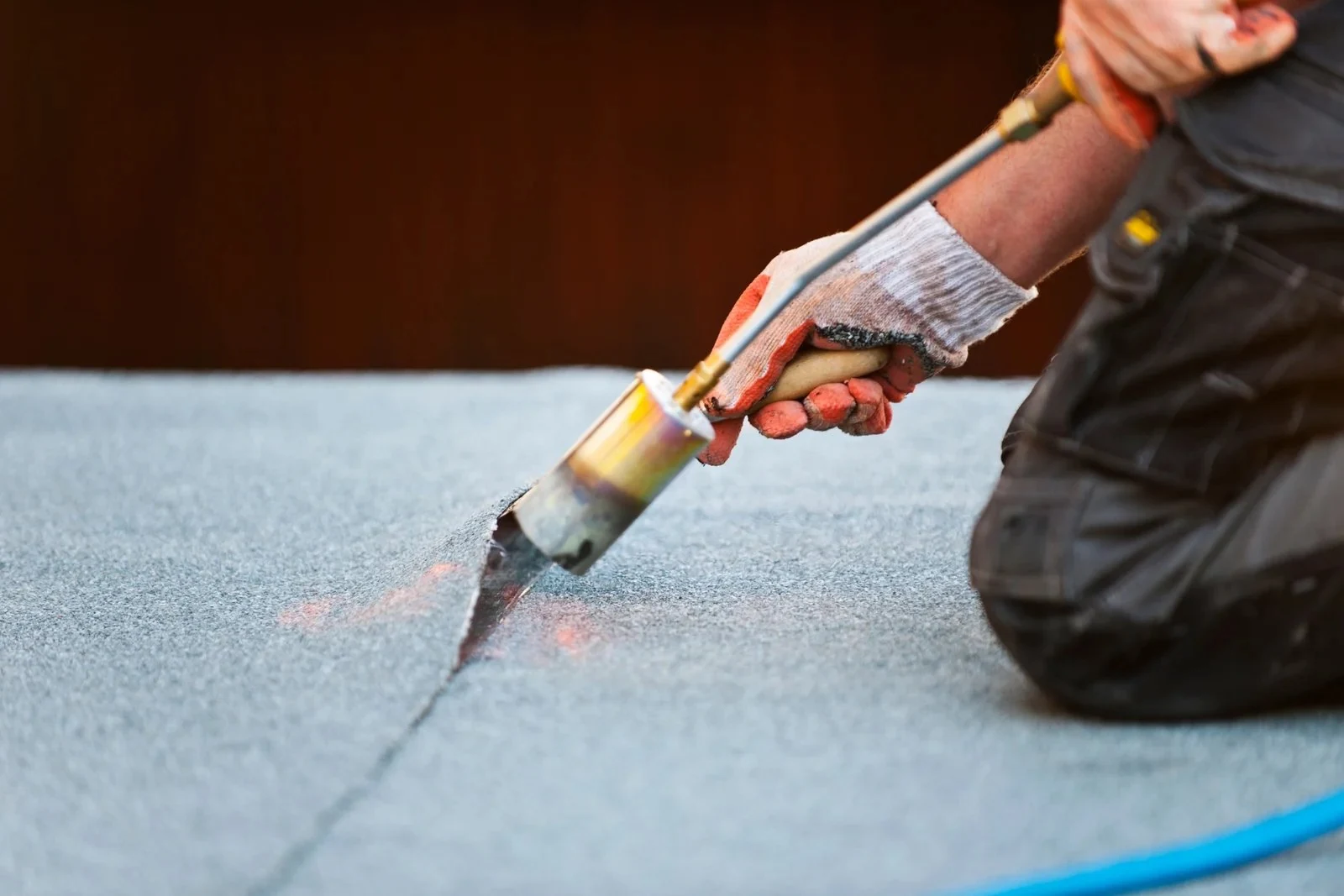
Unlike heat-welded TPO, EPDM seams rely on adhesive tape or liquid adhesive, and that bond is only as good as surface prep and application conditions on the day of installation. We prime and tape seams to spec regardless of schedule pressure, and we check lap width and roller pressure as we go rather than trusting a crew's pace to guarantee quality.
On repair calls, seam failure is the single most common issue we find on older EPDM roofs. Roanoke's humid summers and freeze-thaw winters both stress adhesive bonds over time, and a seam that was marginal on installation day tends to open up a few years in. We re-tape failing seams with proper primer rather than gluing over old adhesive residue, which is a shortcut that fails again within a season or two.
EPDM's flexibility is an asset at pipe boots, corners, and curbs, but only if the flashing pieces are formed and adhered correctly. Pitch pans, still common on older rubber roofs, are a recurring failure point we see across Roanoke's manufacturing buildings, since the sealant inside them shrinks and cracks well before the field membrane shows any wear. We convert pitch pans to formed rubber boots wherever the penetration geometry allows it, which removes that maintenance liability entirely.
A lot of the EPDM calls we take start with a leak that has nothing to do with the field membrane. Before recommending a full replacement, we walk the roof, probe seams and flashings, and check for shrinkage at the perimeter, which is common on EPDM roofs that have passed the fifteen-year mark. Shrinkage pulls the membrane away from parapet walls and curbs, opening gaps that no amount of field-seam repair will fix.
If the field membrane is still in reasonable shape and the problems are isolated to seams, flashings, and drains, targeted repair can add years of service at a fraction of replacement cost. If shrinkage and widespread seam failure are present across the roof, we say so directly rather than stretching a patch-and-repair scope past the point where it still makes financial sense.
Manufacturing plants tied to Roanoke's rail heritage, cold storage and distribution buildings feeding the I-81 corridor, and older retail centers built before TPO became standard all show up regularly in our EPDM work. Each of those building types carries a different loading profile, from foot traffic around rooftop condensing units at a cold storage facility to ballast wind-scour risk on a building near an open field or parking lot edge, and we account for that in the system design rather than treating every EPDM job the same.
For large, simple warehouse roofs with a proven long-term track record and lower material cost, yes. For a building running significant HVAC load where reflectivity saves real energy cost, TPO is usually the better call. We recommend based on the building's use, not a blanket preference.
EPDM seams depend on adhesive bond rather than a heat weld, which makes surface prep and application conditions more critical to long-term performance. A properly primed and taped seam holds up well; a rushed one is the most common repair call we get.
Membrane shrinkage, which becomes common on EPDM roofs past fifteen years old. The rubber pulls back from the perimeter over time, and that gap needs to be addressed with new flashing rather than caulked over.
Yes, where the penetration allows it. Pitch pans rely on sealant that shrinks and cracks well before the field membrane wears out, and converting to a formed rubber boot removes a recurring maintenance item permanently.
It comes down to how much of the roof shows shrinkage and widespread seam failure versus isolated problem areas. We walk the whole field and give a straight recommendation based on what we actually find, not a default toward the larger job.