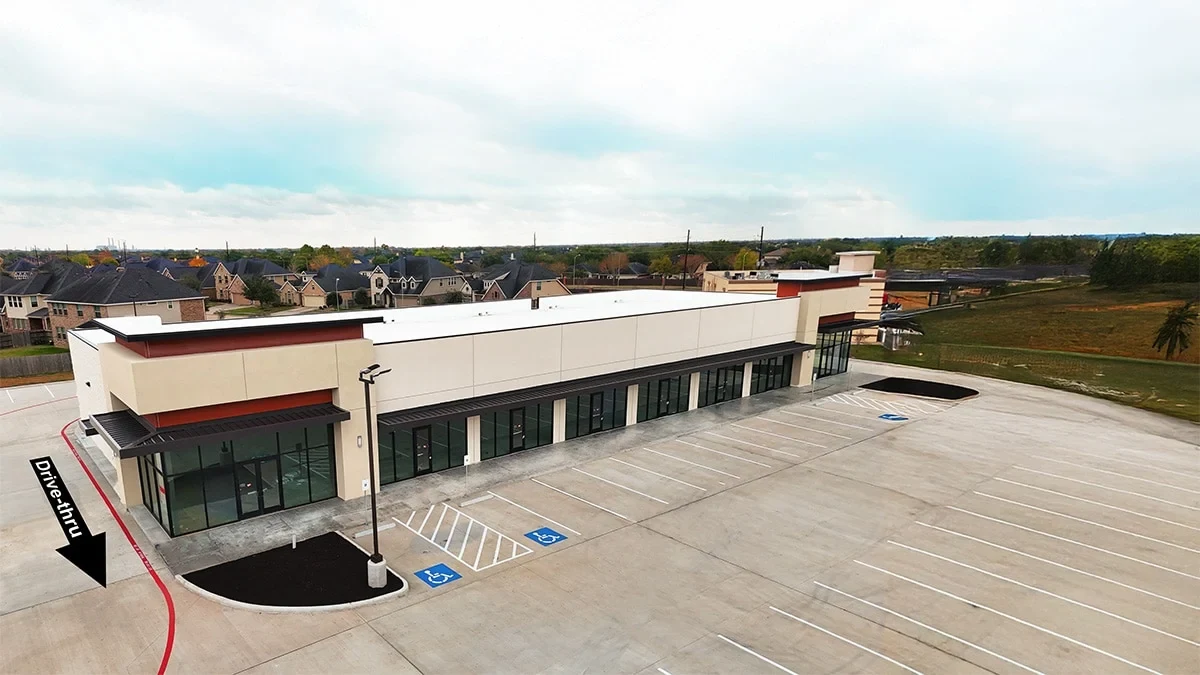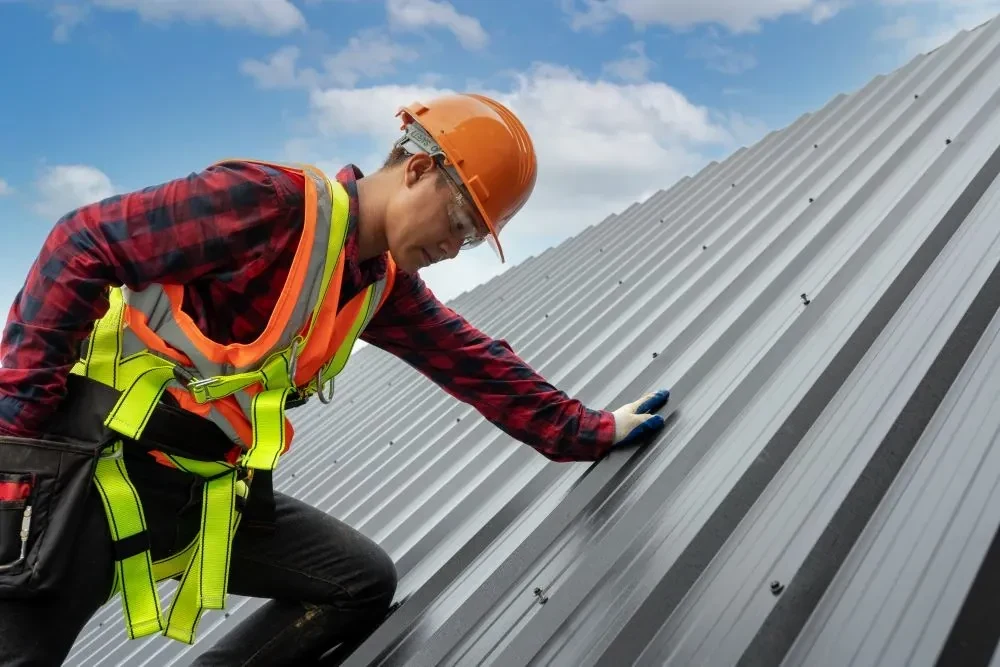
Retail operators with more than one storefront in the Roanoke Valley, from the Tanglewood corridor to the growing retail strip along US-460, need roof work that doesn't interrupt business hours and doesn't produce a different result at every location. We run multi-site work to one standard, whether that's two stores or a dozen across the region.
A retail roof leak that shows up on the sales floor is a customer-facing problem the moment it happens, and we treat store-level roof work the same way, scheduled around operating hours, with material staging and access routed away from customer parking and entrances. Where a repair or tear-off has to happen during open hours, we contain the work area and coordinate directly with store management on timing that avoids peak traffic.
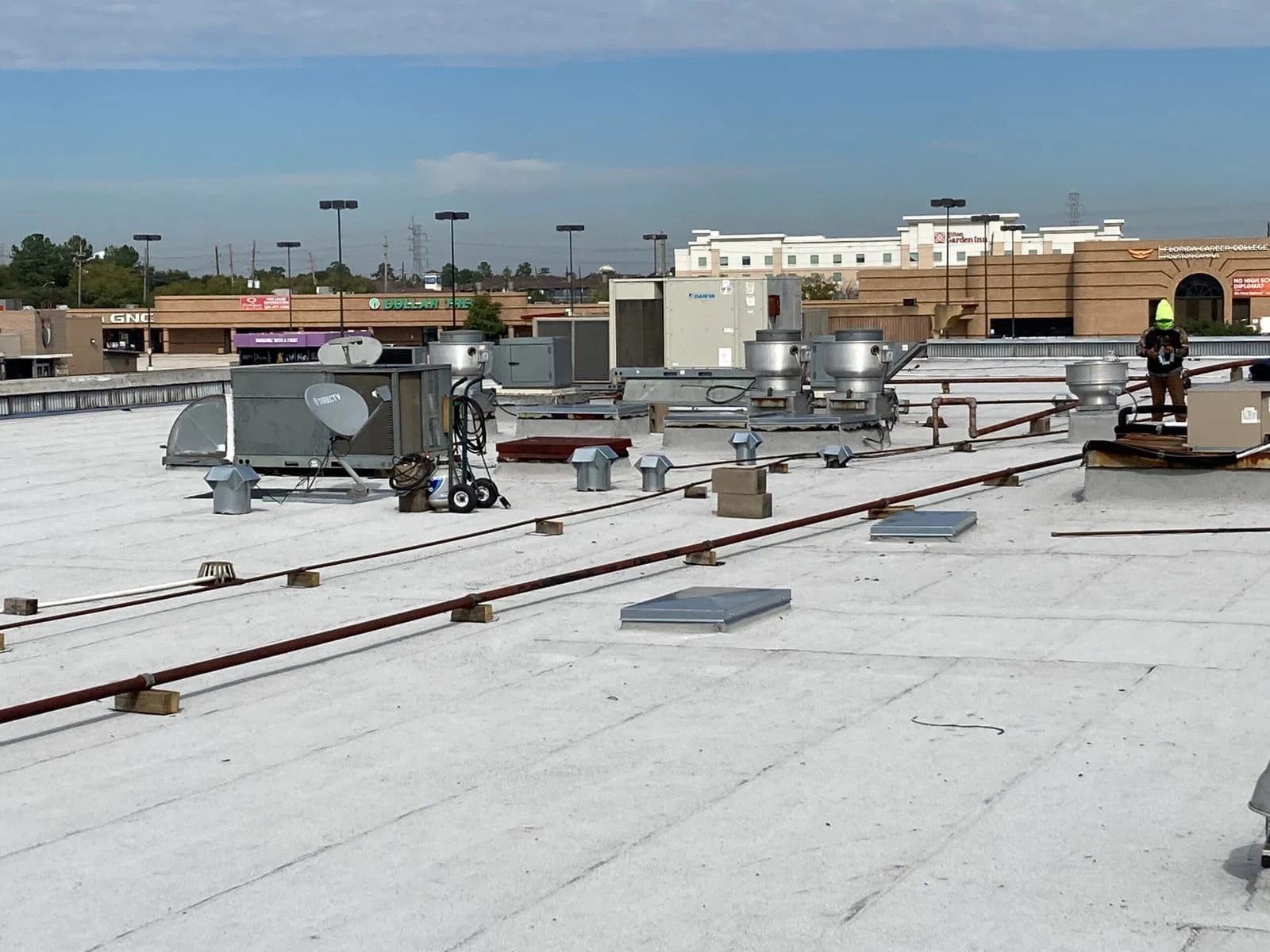
Big-box and grocery-anchor buildings with rooftop HVAC serving refrigeration or food service areas get scheduled with extra care, since a shutdown timed wrong can affect product on the sales floor faster than it affects comfort cooling in an office.
When a chain operator brings us in for more than one store, we document the membrane spec, flashing detail, and maintenance schedule once and apply it consistently across every location, rather than letting each site drift toward whatever a local crew happened to install. That consistency matters when a regional facilities manager is comparing performance and cost across a portfolio of stores that don't all sit in the same climate zone.
Roof appearance visible from the parking lot or from an adjacent highway matters to some retail brands more than others, and where a corporate standard specifies membrane color or parapet detail visible from grade, we match that standard across every store we touch.
Stores built at different points in a chain's expansion often carry different roof ages and even different original installers, and a portfolio inspection frequently turns up two adjacent stores with meaningfully different remaining service life despite looking similar from the parking lot. We report that variation clearly rather than smoothing it into a single portfolio average that hides which specific store needs attention first.
A single thunderstorm cell moving through the valley can hit several store locations in the same afternoon, and a chain operator needs a response that covers every affected site, not a queue that handles one store while the others wait. We prioritize emergency tarping and dry-in across every affected location the same day where possible, and we report damage findings from each site in a consistent format so a regional manager can compare them directly.
Hail from spring and summer storm cells tends to affect stores across a similar path rather than one isolated site, so when we're called to one location after a storm, we ask whether other stores in the same corridor need a check as well.
Multi-site operators need roof condition and cost data that rolls up cleanly into a regional or national facilities report. We format inspection findings, repair history, and capital forecasts the same way across every store so that data drops into a portfolio review without reformatting.
Where a regional facilities manager is deciding which store gets budget priority for a roof replacement this year, we provide the comparison data to support that call rather than making the case for any single store in isolation.
We also flag lease-related roof questions where they come up, since a store operating under a triple-net lease may have different repair responsibility than one in an owned building, and getting that distinction wrong in a report can send a repair request to the wrong party. We note it in the findings whenever the answer isn't obvious from the property record we're given, since a facilities team juggling dozens of leases across the region shouldn't have to chase that answer down separately.
Yes, we work with chain operators across their locations throughout the valley, from Salem to the US-460 corridor, and hold every site to the same spec and maintenance schedule.
We contain the work area with barriers and overhead protection, schedule around operating hours where possible, and route material staging and delivery trucks away from customer entrances and parking.
We prioritize emergency response across every affected location the same day where we can, and we report findings in a consistent format across sites.
Yes, where a corporate brand standard specifies membrane color, coping profile, or visible parapet detail, we apply that standard consistently at every store we service across the region.
Yes, inspection and cost data comes formatted consistently across every location so it rolls up cleanly into a portfolio-level report.