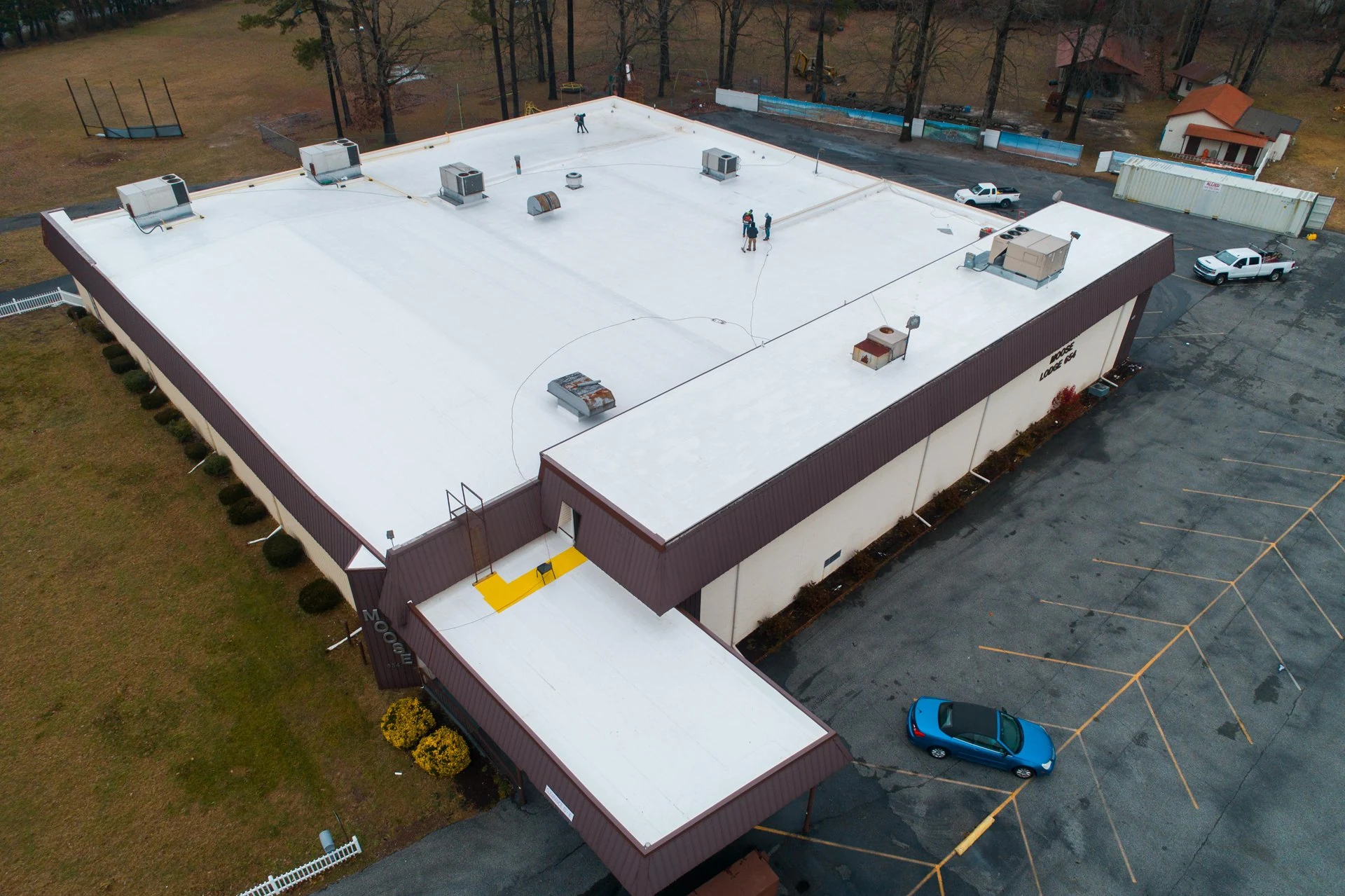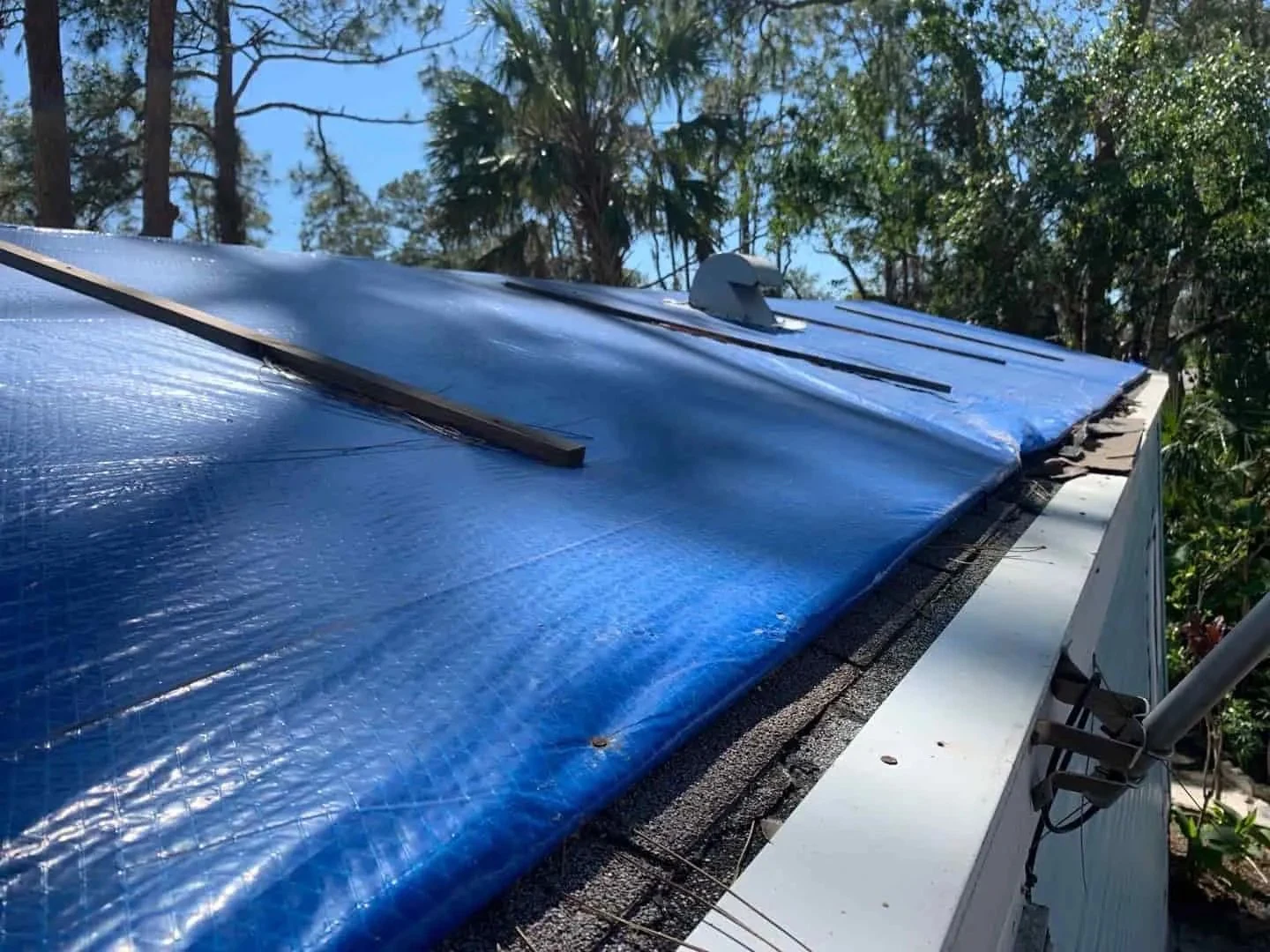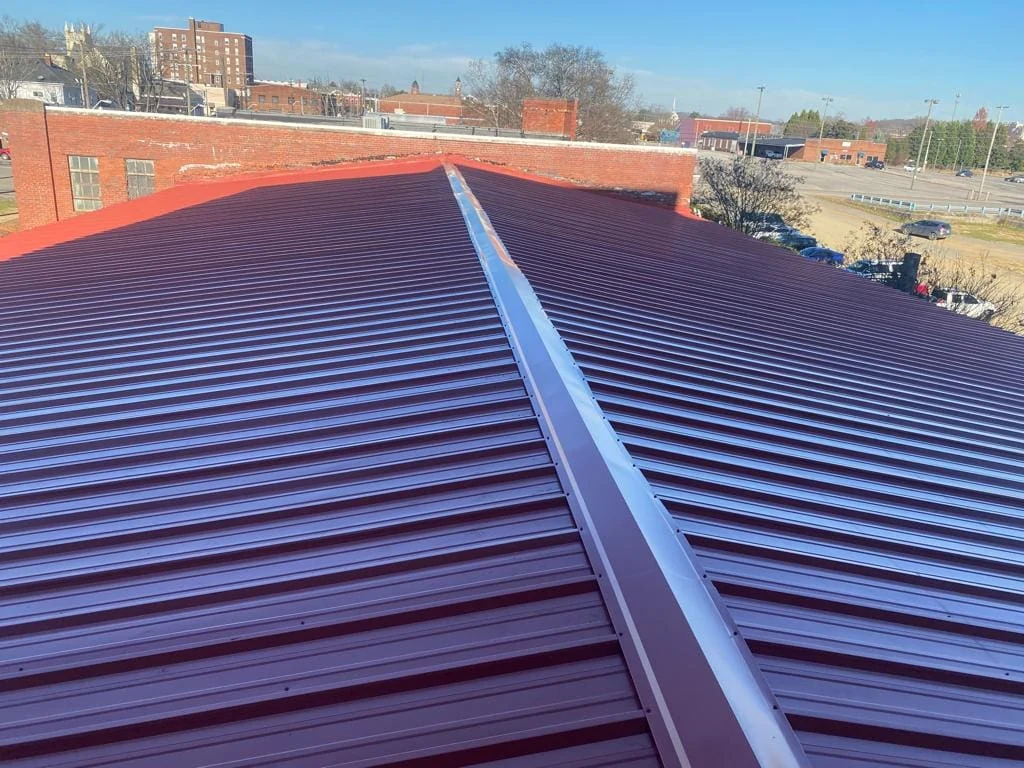
When a storm damages a commercial roof, the claim process runs on documentation quality as much as anything else. We build damage reports that describe what we found, where, and why it matters to the roof assembly - factual, specific, and tied to actual roof conditions rather than generalized statements that leave your adjuster guessing. This page covers what goes into that documentation; for the broader claim process see our commercial roof insurance claim assistance page, and for peril-specific detail see wind and storm damage claims or snow and ice damage claims.
We're your roofing contractor, not a public adjuster - we document and substantiate the roof damage so you and your adjuster work from an accurate scope. We don't file the claim, negotiate with the carrier, or guarantee a payout outcome; that stays between you and your insurance company.
A useful damage report identifies the specific mechanism - wind uplift at a corner zone, hail bruising across a membrane field, ice damage at a coping joint - and locates it precisely on the roof rather than describing damage in vague terms. We photograph each finding with reference points so the location is unambiguous, and we note membrane age and prior repair history where it's relevant to understanding what a storm did versus what was already a pre-existing condition.
This matters because adjusters and carriers distinguish between storm-caused damage and pre-existing wear, and documentation that conflates the two tends to slow a claim down or reduce what's approved. We're careful to separate what the storm did from what was already there.
Roanoke's terrain means wind damage assessment has to account for where a building actually sits relative to the surrounding ridgelines - a property closer to elevated terrain sees different uplift patterns than one on the valley floor, and we document that context so the damage findings make sense within the actual wind event rather than reading as a set of isolated observations.
Hail assessment requires checking beyond obvious punctures for bruising that may not be visually dramatic but represents real membrane compromise. We document both categories separately since they sometimes get treated differently in a claim evaluation.
One of the more contentious points in a claim review is whether a given area of damage is fresh or predates the storm being claimed. We look at how a compromised spot weathers - fresh membrane damage has a different edge texture and exposed-material color than an older crack that's already oxidized and dirt-stained. On roofs we've inspected previously, we compare against our own prior condition records where they exist, which gives a much stronger basis for dating damage than a single post-storm walk alone.
This matters most on older roofs nearing the end of a normal service life, where a carrier may reasonably question whether reported damage is storm-related or simply age-related wear that happened to get noticed after a storm prompted someone to look. We document our reasoning on that distinction explicitly rather than leaving it for the adjuster to guess at.
It's common for a repair crew to find additional damage once they're actually into the work - a section of insulation that turns out saturated beyond what a surface inspection showed, or flashing damage hidden behind equipment that couldn't be fully assessed from the initial walk. When that happens, we document the newly discovered condition with the same rigor as the original assessment and provide what's needed to support a supplemental claim, rather than just absorbing the scope change quietly.
We're glad to meet an insurance adjuster on the roof and walk through our findings directly, pointing out damage locations and explaining what we observed. We stick to describing conditions factually - we don't promise claim outcomes or coverage decisions, since those are determined by your policy terms and the carrier, not by us.
We photograph the roof both before repair work begins and after it's complete, giving you a clear before-and-after record. This matters if a claim gets revisited later or if a supplemental claim becomes necessary once repair work reveals additional damage that wasn't visible during the initial assessment.
We sometimes get called in on claims where earlier documentation was too generic to be useful - photos without location context, or a report that says "wind damage" without specifying where or what kind. We rebuild documentation from scratch in those cases rather than trying to patch together an unclear record.
No, the claim itself is filed by the property owner or manager with their carrier. We provide the roof damage documentation and repair estimate that supports the claim.
Yes, we're available to walk the roof with an adjuster and explain our findings directly, which often speeds up the review process compared to a report alone.
We'll stand behind our documented findings and can provide additional detail or clarification if there's a discrepancy, but the final coverage determination is between you and your carrier.
As soon as possible. Some damage, like hail bruising, can become harder to distinguish from general wear the longer it sits, so prompt documentation strengthens the claim.
Documentation is part of how we scope any storm-related repair, since we need accurate condition assessment to price the work correctly regardless of insurance involvement.